




 Send Inquiry
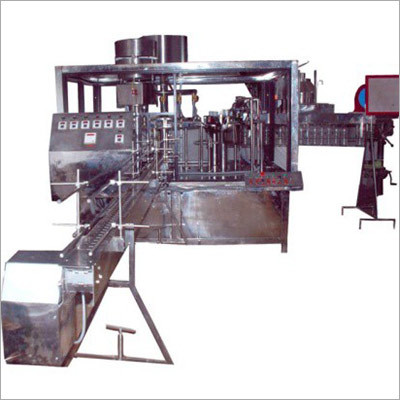
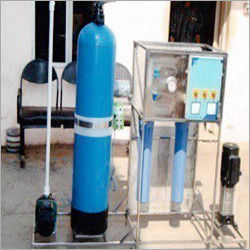
Water Purification Plant
Water Purification Plant Specification
- Warranty
- 1 Year
- Usage & Applications
- Industrial
- Automatic Grade
- Semi Automatic
- Voltage
- 220-440 Volt (v)
- Water Source
- River Water
- Material
- Mild Steel
- Drive Type
- Electric
Water Purification Plant Trade Information
- Minimum Order Quantity
- 1 Piece
- Supply Ability
- 100 Pieces Per Month
- Delivery Time
- 7 Days
- Main Export Market(s)
- Asia, Australia, Central America, North America, South America, Eastern Europe, Western Europe, Middle East, Africa
- Main Domestic Market
- All India
About Water Purification Plant
A water purification plant, sometimes referred to as a water treatment plant or a water purification facility, is a specialised establishment created to treat and purify untreated water obtained from diverse sources so that it is safe and acceptable for human consumption or other particular uses. A water purification facilitys job is to clean up pathogens, pollutants, and other impurities from raw water so that it satisfies regulatory standards for purity.
The main elements and procedures generally used in a water purification plant are listed below:
1. Raw water is obtained from lakes, rivers, wells, or other accessible sources for intake and screening. Large material, including leaves, sticks, and other solids, are screened out of the water during the intake phase in order to protect the equipment farther downstream.
2. Coagulation and flocculation: The water is treated with substances known as coagulants, such as aluminium sulphate or ferric chloride. Through the process of coagulation, these substances help small particles group together to produce larger flocs. Then, flocculants (such as polymers) are added to help produce bigger particles for simpler removal.
3. Sedimentation: In big settling tanks or clarifiers, the water is allowed to settle, allowing the heavier flocs to gravitationally sink to the bottom. Sedimentation or clarifying is a procedure that aids in removing suspended sediments and other particles from water.
4. Filtration: The water is subjected to filtration following sedimentation in order to further eliminate fine particles, any lingering suspended solids, and other contaminants. Depending on the needed amount of purification and the particular water quality, many filter types are employed, including membrane filters, multi-media filters, activated carbon filters, and sand filters.
5. Disinfection: The water is disinfected to get rid of or get rid of any remaining germs, such as bacteria, viruses, and parasites. Chlorination (using chlorine gas or sodium hypochlorite), UV radiation, ozonation, or other suitable disinfection procedures are common disinfection approaches.
6. PH Correction and Chemical Treatment: A pH correction may be required to bring the treated waters pH level to the appropriate range. Depending on the required level of water quality, additional chemical treatments, such as corrosion inhibitors, scale inhibitors, or pH stabilisers, may also be added.
7. Advanced Treatment (optional): Advanced treatment procedures may be used, depending on the water source and the individual treatment objectives. These can be activated carbon adsorption, reverse osmosis, nanofiltration, advanced oxidation processes (AOPs), or other specialised methods to remove particular contaminants or enhance the quality of the water.
8. Storage and Distribution: Before being delivered to users via a system of pipelines, the treated water is first kept in hygienic and secure reservoirs or tanks. The distribution system makes sure that the treated water reliably and safely reaches its intended users.
9. Monitoring and Quality Control: The treated water is continuously monitored and tested throughout the water purification process. To maintain compliance with legal requirements and internal quality standards, parameters like pH, turbidity, residual disinfectant levels, microbiological content, chemical composition, and taste are measured.
The size and complexity of water purification facilities varies depending on various elements like the quality of the raw water, the intended treatment, capacity needs, and particular water supply restrictions. For a water purification plant to operate effectively and dependably, providing the community with safe and clean drinking water or meeting specific water quality requirements, regular maintenance, routine equipment cleaning, and adherence to strict quality control procedures are essential.
Advanced Purification Process
The plant uses state-of-the-art filtration and treatment technologies specifically tailored for river water contaminants. Robust material selection and semi-automatic operation streamline the purification process, ensuring high-quality, safe water output suitable for diverse industrial uses.
Reliable and Durable Construction
Built with mild steel, the water purification system offers exceptional resilience and longevity, even under continuous industrial workloads. This choice of material ensures corrosion resistance and maintains structural integrity, contributing to a lower total cost of ownership.
FAQs of Water Purification Plant:
Q: How does the water purification plant treat river water for industrial use?
A: The plant incorporates multiple filtration and disinfection stages designed to remove suspended solids, chemicals, and biological contaminants from river water, thereby producing purified water that meets industrial standards.Q: What are the main features of this water purification plant?
A: Key features include a mild steel construction, operation on 220-440 volt electric drive, semi-automatic grade for ease of use, and suitability for continuous industrial operation. It also provides peace of mind through a one-year warranty.Q: When should a business consider installing this purification plant?
A: Installation is recommended when industries require large-scale, consistent water purification from river sources, especially in processes where water quality directly impacts product safety or equipment longevity.Q: Where is this plant available for export and supply?
A: The water purification plant is available throughout India, with options for export, manufacturing, and supply to industrial clients seeking reliable water solutions.Q: What is the process flow within the plant?
A: River water undergoes initial filtration, chemical dosing, and several advanced purification methods within the plant, monitored and partially automated to ensure optimal results and minimize manual labor.Q: How is the plant operated and maintained?
A: Operation is powered electrically and managed through semi-automatic controls, allowing for straightforward monitoring and adjustments. Routine maintenance mainly consists of inspecting mild steel components and replacing expendable filters as specified.Q: What benefits do industries gain from using this water purification plant?
A: Industries benefit from a consistent supply of high-quality water, improved compliance with environmental regulations, reduced risk of process disruptions, lower maintenance costs, and assured warranty support.
More Products in Mineral Water Processing Plant Category
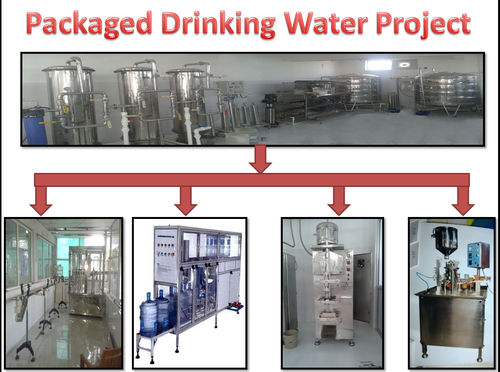
Packaging Drinking Water Machinery
Price 1050000 INR / Piece
Minimum Order Quantity : 1 Piece
Usage & Applications : Industrial
Warranty : 1 Year
Material : Mild Steel
Drive Type : Other
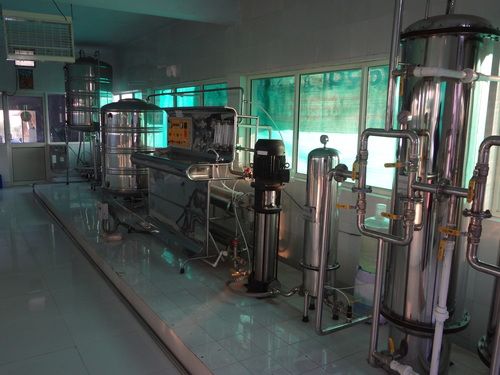
Mineral Water Plant
Price 150000 INR / Piece
Minimum Order Quantity : 1 Piece
Usage & Applications : Industrial
Warranty : 1 Year
Material : Mild Steel
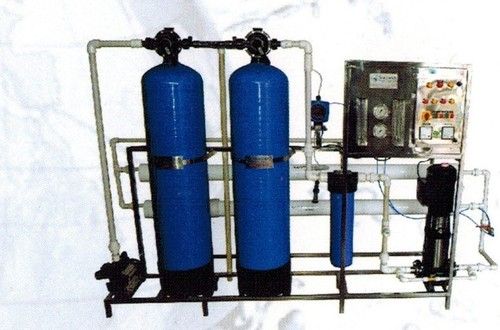
Industrial Water Treatment Plant
Price 150000 INR / Piece
Minimum Order Quantity : 1 Piece
Usage & Applications : Industrial
Warranty : 1 Year
Drive Type : Electric
RO Water Treatment Plant
Minimum Order Quantity : 1 Piece
Usage & Applications : Industrial
Warranty : 1 Year
Material : Mild Steel
Drive Type : Electric



Contact Details
GST : 24ABEFA8603L1ZG

 Send Inquiry
|
|
|
 |
ACCURAL BIOTECH
All Rights Reserved.(Terms of Use) Developed and Managed by Infocom Network Private Limited. |